

We are a week into Australia’s under-16 social media ban, and I’ve been watching closely how online behaviours are shifting, to see if anything new emerges in the social media space that could signal wider ripples across geographies and demographics.
The lowdown: as of Thursday December 10, under-16s in Australia have been unable to officially access a range of the main social networking apps, from Instagram, Facebook and Threads, to TikTok, Snapchat, Reddit, X and Twitch. If you’re under-16 in Australia, you will have had your account disabled, suspended or restricted.
Early signals show that the social media ban has, as anticipated, pushed teen users elsewhere online. A number of existing and lesser-known apps have emerged due to them being marked either safe for younger users, or just not on the list of banned social networks. As the policymakers focus on enforcement and platforms scramble to comply, young social media users are doing what they have always done best and adapting at speed.
Taking a look through reviews and rankings of the apps of note that Australian teens are using, and I can see some familiar names alongside new ones too.
According to Sensor Tower’s app rankings, the most downloaded social networking app in the iOS App Store on December 9 2025 was Coverstar, with Discord at #4, Bump at #10, BeReal at #11, Messenger Kids at #13, Rednote at #14, Yubo at #17 and Line at 18.
As of December 15, WhatsApp and Telegram have risen to #2 and #3 respectively in Sensor Tower’s social networking chart, with only Rednote dropping out of the top 20 chart from the apps I listed above. This suggests that, while new social media apps have proven to be worth a try, critical mass is as important than features which is why messaging apps tend to fill the void when social media is restricted.
What I think is interesting about how teen social media users are adapting to the ban is not just that new apps are emerging, or that old ones are making a comeback. It’s that the apps are so different in how they look and how they work. While Coverstar feels just like a TikTok for kids, Bump has gamified location, Yubo has made a social network out of swiping, and Rednote’s essentially an Instagram / Pinterest mashup.
For anyone not familiar with the some of the newer apps rising up from Australia’s teen ban, here’s a selection of the most interesting to me anyway.
Coverstar
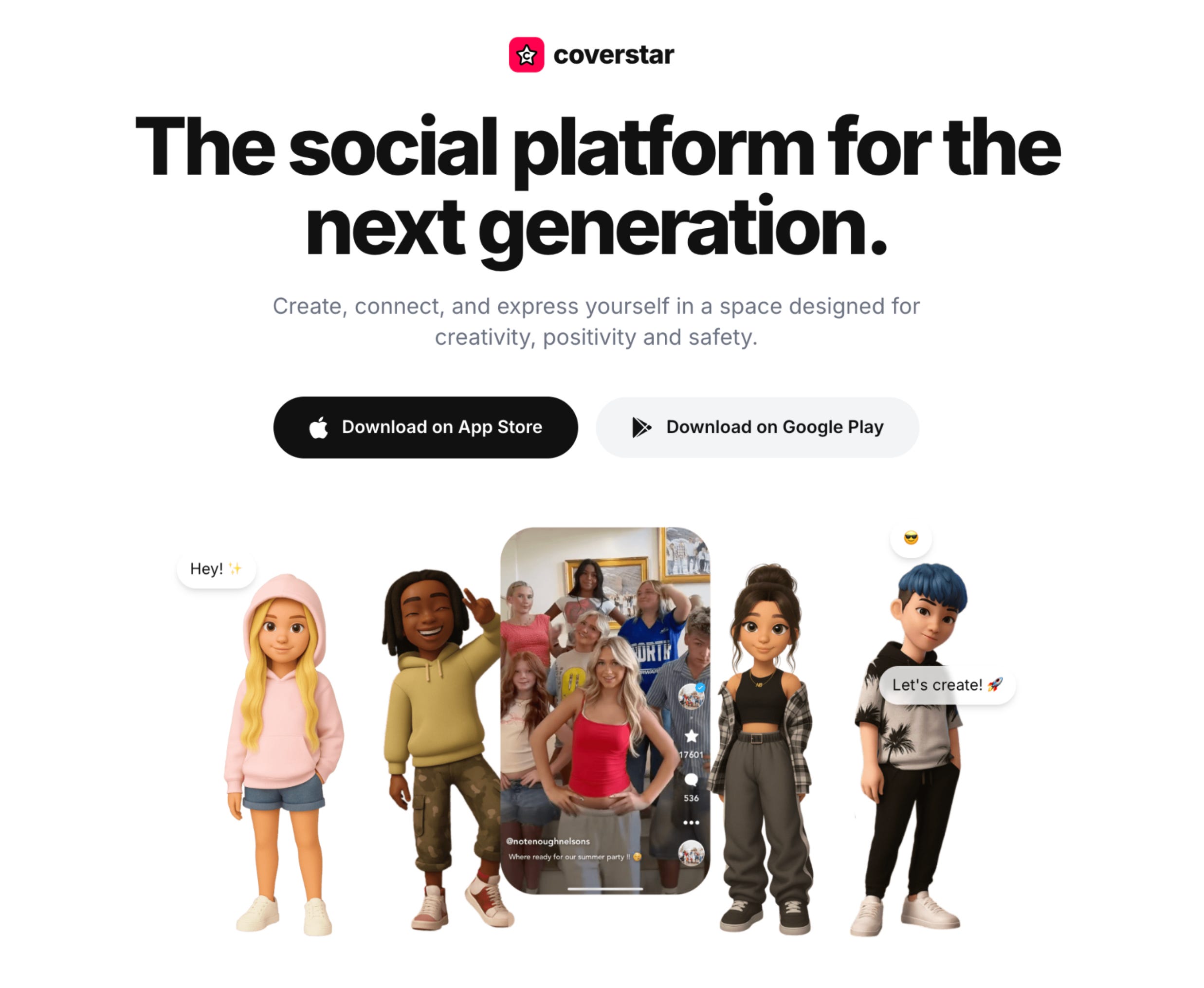
Coverstar has the look and feel of TikTok, focusing on moderated, music-themed video for lip syncing and dances. If focuses on short clips and challenges, uses licensed music, and has no DMs. The app claims to have strong content and behaviour moderation. So essentially, this is an alternative to TikTok for kids too young for TikTok.
Bump
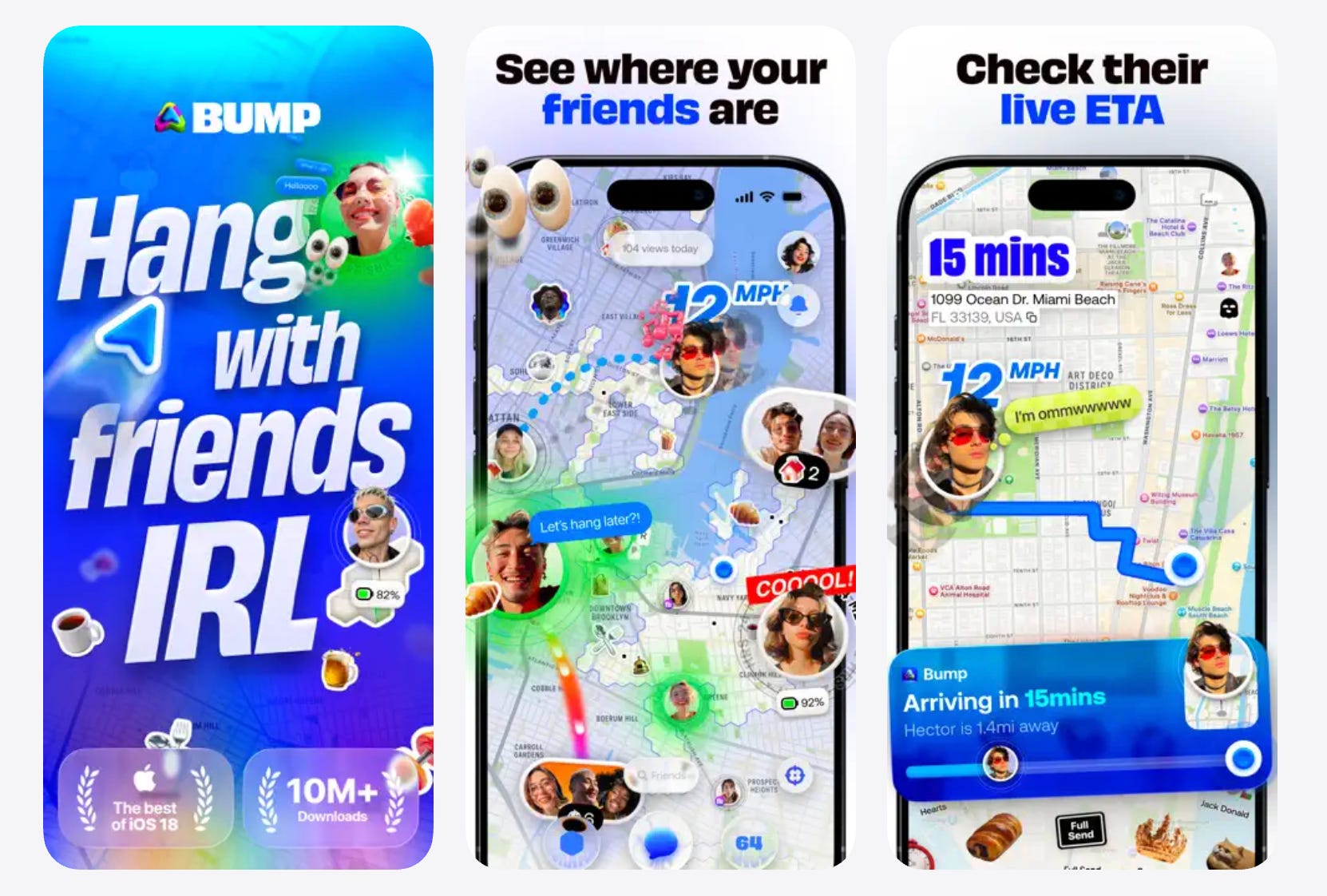
The Bump app focuses on location, and has made a social network out of it, gamifying the location features of your phone, like what they’re doing on their phone, how long they’ve been somewhere and music they’re listening to. Zooming into someone pings them, and there’s DMs. I’ve used this app for some time and it’s popular with organising events with large numbers of people, like music festivals.
Yubo
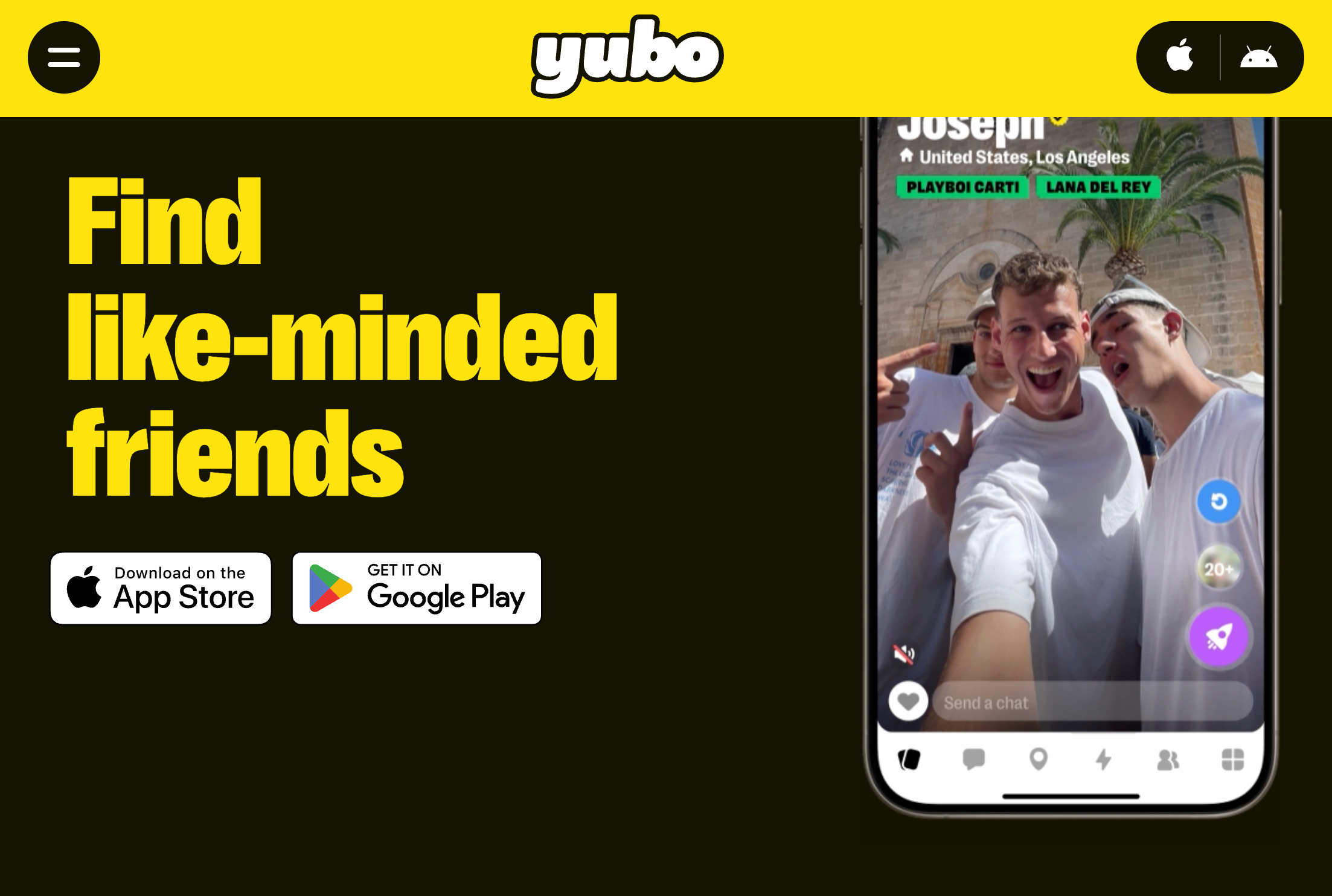
With a focus on the dating app UI of swiping to match with friends, Yubo has the features of social media but with the swipe to match functionality replacing doom scrolling. It also includes live streaming and DMs of course. Reddit reviews from users paint quite a traumatic picture of this app, with one user saying to avoid this app if you care about your mental health.
Rednote

Last time there was a social media ban in a major western country, Rednote benefitted the most. The Chinese-owned app surged in popularity when TikTok was taken offline earlier this year in the US. Also known as Xiaohongshu, or Little Red Book, Rednote is a mix of Instagram, Pinterest, and TikTok, with a focus on lifestyle content like fashion, beauty, and travel, and has over 300m users, mostly it feels are in China based on the app’s content.
What’s next?
I don’t think anyone truly believed that banning social media would stop kids socialising online. What I think is fascinating is how many emerging technologies and interfaces are arriving to engage new online audiences. From the swipe to the double column scroll, and from location as a social network to simply improved safety, innovation is happening fast and teen users are voting with their fingers.
Will regulators now cast their nets wider and ban more apps in this new game of digital whack-a-mole, only time will tell. And if you’re seeing any new apps emerging that you’d like me to look into, drop me a note in the comments.